
February 12, 2026
Lake House Features That Actually Handle Humidity
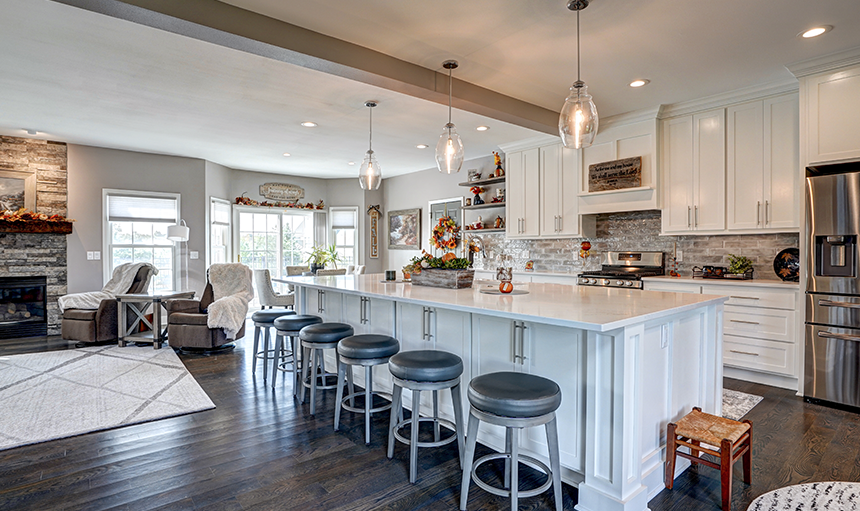
Waterfront living is relaxing until humidity starts warping floors, fogging windows, and feeding mold. If you are researching a lake house builder in wisconsin or planning a remodel to protect your investment, this guide explains the features, materials, and ventilation strategies that truly handle lakeside moisture. With the right design choices and skilled installation, your lake home can stay comfortable, healthy, and beautiful. Elite Improvements helps homeowners across southeast Wisconsin plan and build humidity-smart updates that last.
Why Lake Humidity Is Different In Wisconsin
Wisconsin lake homes face unique conditions. The air over water often carries higher moisture, breezes shift quickly, and temperature swings are common. Add winter freeze-thaw cycles and spring snowmelt, and you have a recipe for condensation, leaks, and building movement. The goal is not to make your home hermetically sealed but to control where moisture goes and how fast it dries.
- Mold and mildew in bathrooms, basements, and closets
- Cupped or gapped hardwood floors and peeling finishes
- Condensation on windows and cool surfaces
- Musty odors and high indoor humidity after storms
- Rusty fasteners and corroded door hardware
- Ice dams that push water under shingles in winter
These issues are preventable. The right envelope, materials, and mechanical systems work together to shed water, tolerate humidity, and dry quickly after wet weather.
Start With A Dry, Tight, Yet Breathable Shell
Site Planning And Drainage
The simplest humidity control often happens outside. Manage water before it touches your home. Grade the lot to pull water away, keep roof runoff off the walls and foundation, and avoid splash-back on siding. In sensitive shoreline zones, pair smart water management with erosion control and native plantings.
- Set final grading to slope at least 6 inches within the first 10 feet from the foundation
- Use gutters and oversized downspouts that discharge 10 feet away on splash blocks or buried drains
- Add a French drain or drainage swale where runoff concentrates
- Choose permeable pavers and stone beds to reduce puddling
- Protect soils and shorelines with silt fences and native buffers during work
Elite Improvements plans drainage alongside design so additions and decks do not create new moisture problems.
Foundations And Crawlspaces That Stay Dry
Wisconsin frost depths and high water tables demand careful details. A dry foundation starts with waterproofing, capillary breaks, and controlled ventilation. If you have a crawlspace, treat it as part of the conditioned home rather than a damp, unvented void.
- Footings below frost depth with capillary breaks between concrete and framing
- Exterior waterproofing, not just dampproofing, with a drainage mat and perimeter drain to a sump
- Rigid foam on exterior foundation walls to reduce condensation and protect waterproofing
- 10 to 20 mil vapor barrier sealed to walls and piers in crawlspaces, plus a dedicated dehumidifier
- Air seal rim joists and penetrations to block humid air leaks
Elite Improvements regularly upgrades older lake homes with sealed crawlspaces and drained, insulated foundations that stay dry year-round.
Walls And Roofing That Manage Moisture
A wall should shed rain, block bulk water, slow vapor, and dry to at least one side. In our climate, a ventilated gap behind siding helps moisture escape and reduces paint failures. At the roof, a balanced ventilation strategy limits ice dams and keeps the attic dry.
- Use a vapor-open weather-resistive barrier with a rainscreen space behind siding
- Include kickout flashing, window pans, and meticulous step flashing at roofs and walls
- Size roof overhangs and porch roofs to reduce direct rain and sun on walls
- Install continuous soffit and ridge vents with baffles to keep insulation from blocking airflow
- Apply ice and water shield at eaves, valleys, and penetrations
Good cladding options include fiber cement, engineered wood with factory finishes, and cellular PVC or composite trim. Stainless fasteners hold up better in lakeside air and reduce staining.
Materials That Shrug Off Moisture
Framing And Subfloor Choices
Treated sill plates and capillary breaks stop moisture from wicking into framing. In wet-prone areas, consider borate-treated lumber that resists insects and mold. For subfloors, high-density, water-resistant panels such as AdvanTech perform better than commodity OSB when weather delays occur. Glue and screw the subfloor to reduce squeaks, and seal cut edges.
Insulation And Air Sealing
Insulation does not stop air leaks. Air sealing and smart vapor control are your first lines of defense. Closed-cell spray foam at rim joists blocks air and adds moisture resistance. Dense-pack cellulose or mineral wool in walls allows controlled drying. Exterior continuous rigid foam warms wall sheathing, reducing winter condensation risk. High-quality tapes and gaskets at seams and around penetrations lock down air leaks.
Windows And Exterior Doors Built For Lakeside Life
Modern windows should resist condensation and air leakage. Fiberglass, composite, or high-quality vinyl frames perform well with less maintenance. Look for warm-edge spacers, low-E coatings, and high design pressure ratings to stand up to wind-driven rain. Proper flashing and back dams are essential. The best window can still leak if it is not integrated with the weather-resistive barrier.
- Fiberglass or composite frames for stability in temperature swings
- Double or triple glazing with low-E for comfort and energy savings
- Factory-applied finishes for long-term durability
- Pan flashing, sill wedges, and tape integrated into the WRB
Floors That Will Not Cup
Solid hardwood is beautiful, but it can misbehave by the lake. If you love wood, choose engineered hardwood with a stable core and quality finish. Luxury vinyl plank is a practical option in basements and high-traffic areas. Porcelain tile with an uncoupling membrane handles seasonal movement well. Whatever you choose, controlling indoor humidity is as important as the material itself.
- Acclimate flooring to the home and verify moisture content before install
- Use a premium underlayment and follow expansion gap guidelines
- Run dehumidification during and after installation to lock in performance
- Avoid solid hardwood in below-grade spaces and near exterior doors
Cabinets, Counters, And Trim That Resist Swelling
Cabinet boxes built with plywood outperform particleboard and MDF in humid zones. In lower levels and laundry rooms, consider PVC or HDPE cabinet options. For counters, quartz and solid-surface materials handle splashes better than porous stone. Seal all cut edges, toe kicks, and sink cutouts. For trim, cellular PVC or composite options near exterior doors and windows reduce maintenance and swelling.
Hardware And Fasteners That Beat Corrosion
On decks, porches, and near exterior doors, stainless steel fasteners and 316-grade hardware resist rust and staining. Hot-dip galvanized hangers and brackets last longer than electroplated parts. Inside, choose quality hinges and slides with corrosion-resistant finishes to keep cabinets moving smoothly over the long term.
Ventilation And HVAC That Fight Condensation
Balanced, Controlled Fresh Air
Modern homes need deliberate ventilation to stay healthy. A balanced system, typically an Energy Recovery Ventilator, exchanges stale indoor air with outdoor air while transferring heat and some moisture. In summer, an ERV can reduce incoming humidity compared to a simple exhaust-only system. In winter, an HRV may be preferred. Your climate, home size, and occupancy patterns guide the choice.
- Target ventilation rates that meet or exceed code while keeping comfort high
- Place intakes and exhausts away from decks and salty roads to keep air clean
- Filter incoming air to limit pollen and lakefront allergens
A lake house builder in wisconsin who understands ventilation will size and locate equipment to avoid drafts and condensation hotspots. Elite Improvements coordinates with HVAC pros to integrate ERVs and ducting during remodels and additions.
Whole-Home Dehumidification
Even with an efficient AC system, a dedicated dehumidifier can be a game changer. Whole-home dehumidifiers tie into the ductwork, run independently of cooling, and drain automatically to a sump or condensate pump. Aim for indoor relative humidity around 40 to 50 percent in summer and a bit lower in winter to prevent window condensation.
Exhaust Where It Matters
Moisture sources must be captured at the source. Bathrooms need quiet, properly sized fans that vent outside. Kitchen range hoods should exhaust outdoors and not recirculate, ideally between 250 and 400 cfm depending on the cooktop. Laundry rooms benefit from additional exhaust and short, smooth dryer vents. Consider humidity-sensing fan controls to ensure enough runtime after showers or laundry cycles.
Smart Controls And Monitoring
Remote monitoring helps second homes maintain safe humidity. Smart thermostats, Wi-Fi dehumidifiers, and leak detectors under sinks and near water heaters send alerts before small issues become big repairs. Zonal controls also fine-tune comfort between sunny lakefront rooms and shaded areas.
Exterior Improvements That Protect The Structure
Roofing And Gutters That Actually Work At The Lake
Reliable roofing stops leaks and manages snow. Class 4 impact-rated shingles or standing seam metal roofs both perform well. Use ice and water shield generously at eaves and valleys, and add snow retention on metal roofs where needed. Oversized gutters with leaf protection handle heavy downpours, while downspouts that discharge far from the foundation keep basements dry.
Siding And Finishes That Last
Factory-finished siding resists moisture better than field-painted options. When repainting, back-prime wood siding and trim, then use high-quality caulk sparingly at vertical joints. Lighter colors reduce heat stress and finish failure on sun-exposed lakefront elevations.
Decks You Can Enjoy Without Rot
Decks take a beating from sun, rain, and humidity. Composite or PVC deck boards, hidden fasteners, and ground-contact rated framing extend life and reduce maintenance. Proper ledger flashing and a ventilation gap between deck boards are non-negotiable. Stainless screws and brackets avoid ugly rust streaks. Elite Improvements designs and builds custom decks that look great and stand up to the lakeside environment.
- Flash the ledger with metal plus a peel-and-stick membrane
- Maintain 1/4 inch board gaps for drainage and airflow
- Choose stainless steel or high-quality coated fasteners
- Clean annually with manufacturer-approved cleaners
A knowledgeable lake house builder in wisconsin or a specialist like Elite Improvements will also consider wind exposure and view corridors so your deck is both durable and enjoyable.
Room-By-Room Humidity Playbook
Bathrooms
Waterproof showers with continuous membranes perform better than mud-and-liner builds in homes that see wide humidity swings. Include sloped floors, properly wrapped niches, and high-quality grout sealer. Wall-hung vanities and open-bottom vanities allow air to circulate so cabinets stay dry.
Kitchens
Vented range hoods, water-resistant cabinet boxes, and sealed countertop penetrations protect busy kitchens. Add shutoff valves and leak trays under sinks and dishwashers. Good makeup air planning for powerful hoods prevents negative pressure that can pull humid outdoor air into the home.
Basements And Lower Levels
Below-grade spaces need tough finishes. Polished concrete, LVP, or porcelain tile are better choices than carpet. Elevate outlets, use moisture-resistant drywall or composite wall panels, and add a backflow preventer if you are close to the lake. A continuous dehumidifier with a condensate line prevents musty odors.
Laundry And Mudrooms
These spaces collect wet towels, boots, and gear. A floor drain, washable wall finishes, and dedicated exhaust help. Open shelves or ventilated cubbies dry faster than sealed cabinetry. Include a bench and hooks to keep wet items off the floor.
Screened Porches And Sunrooms
Screened rooms and sunrooms let you embrace the lake breeze without inviting moisture deep into the home. Four-track window systems and composite flooring handle swings between dry and damp. Ceiling fans keep air moving. Elite Improvements builds sunroom additions that bridge outdoor living and indoor comfort with finishes that stand up to lakeside humidity.
Maintenance Routines That Keep Humidity In Check
Even the best-built lake house needs simple care. A routine checklist keeps water out and humidity in the target range.
- Spring: Clean gutters and downspouts. Test sump pumps. Inspect roof flashings after winter. Service dehumidifiers and ERVs.
- Summer: Wash siding gently, check decks and railings, and confirm bath and kitchen exhaust performance. Keep indoor RH near 45 percent.
- Fall: Clear leaves from drains, seal any small siding gaps, and set humidity targets lower as temperatures drop.
- Winter: Watch for ice dams, maintain attic ventilation paths, and keep indoor RH around 30 to 40 percent to avoid window condensation.
Place a few digital hygrometers around the house. If you consistently see RH above 55 percent, increase ventilation, run the dehumidifier longer, or investigate hidden moisture sources. A proactive approach beats expensive repairs every time. This is where a trusted lake house builder in wisconsin or a remodeling partner like Elite Improvements can help you diagnose and fix the root cause.
Permits, Shoreline Rules, And Choosing Partners
Lake properties come with extra rules. The Wisconsin Uniform Dwelling Code sets structural and energy requirements. Shoreline work often involves Wisconsin DNR permitting, local setbacks, and erosion control plans. Floodplain maps may dictate elevations and materials for certain projects. Navigating these details is easier with experienced professionals.
- Ask how your contractor manages drainage and air sealing details, not just finishes
- Request product data on WRB, flashings, and dehumidifiers
- Review ventilation plans, including ERV sizing and exhaust routing
- Confirm experience with rainscreens, crawlspace encapsulation, and deck ledger flashing
- Check references from homeowners on the water and ask about performance after storms
Elite Improvements is a family-owned company in Burlington, Wisconsin, serving southeast Wisconsin with high-quality remodeling, additions, and exterior improvements. Accredited by the BBB and Milwaukee NARI, the team emphasizes ethical practices and craftsmanship. Whether you are coordinating with a lake house builder in wisconsin or seeking a standalone remodeler, Elite Improvements can plan humidity-smart upgrades and deliver clean, confident construction.
A Quick Example: Humidity-Smart Lake Kitchen Remodel
A couple near Burlington wanted a brighter kitchen with better indoor air quality. Their lakeside home had persistent window condensation and musty cabinets. Elite Improvements reworked the layout for better airflow, added a properly vented 350 cfm range hood, and sealed penetrations around plumbing and electrical. Cabinet boxes were upgraded to plywood with sealed edges, and quartz counters replaced porous tops. Luxury vinyl plank flooring went down over a moisture-resistant underlayment. A small ERV tied into the mechanical room provided balanced fresh air, and a whole-home dehumidifier kept indoor humidity around 45 percent all summer. The result was a fresher, drier space with clear windows and zero cabinet swelling through the humid months.
Results You Can Expect
- Cleaner air with fewer musty odors and allergens
- Stable floors, doors, and trim that do not swell or stick
- Clearer windows with less condensation
- Lower risk of mold and hidden moisture damage
- Better energy efficiency and comfort in all seasons
Ready To Plan Your Humidity-Smart Lake House
Handling humidity is about strategy, not just products. When site drainage, building materials, and ventilation work together, lakeside moisture stops being a headache. If you are interviewing a lake house builder in wisconsin or planning targeted upgrades, choose a partner who explains the why behind every detail and backs it up with careful installation.
Elite Improvements offers remodeling, home additions, roofing, siding replacement, and custom decks throughout southeast Wisconsin. The team understands how lakeside conditions affect design and construction, and they build with materials and methods that perform. For expert help you can trust, visit eliteimproves.com or call 262-716-6663. Let’s make your lake home as durable as it is beautiful, with features that actually handle humidity season after season.
Related Posts
How to Design a Modern Ranch for a Small Lot
Why Modern Ranches are Taking Over Lake Geneva
7 Things Your Lake House Needs That a Normal House Doesn’t