
April 20, 2026
How To Figure Out The Best Placement For Your Kitchen Sink
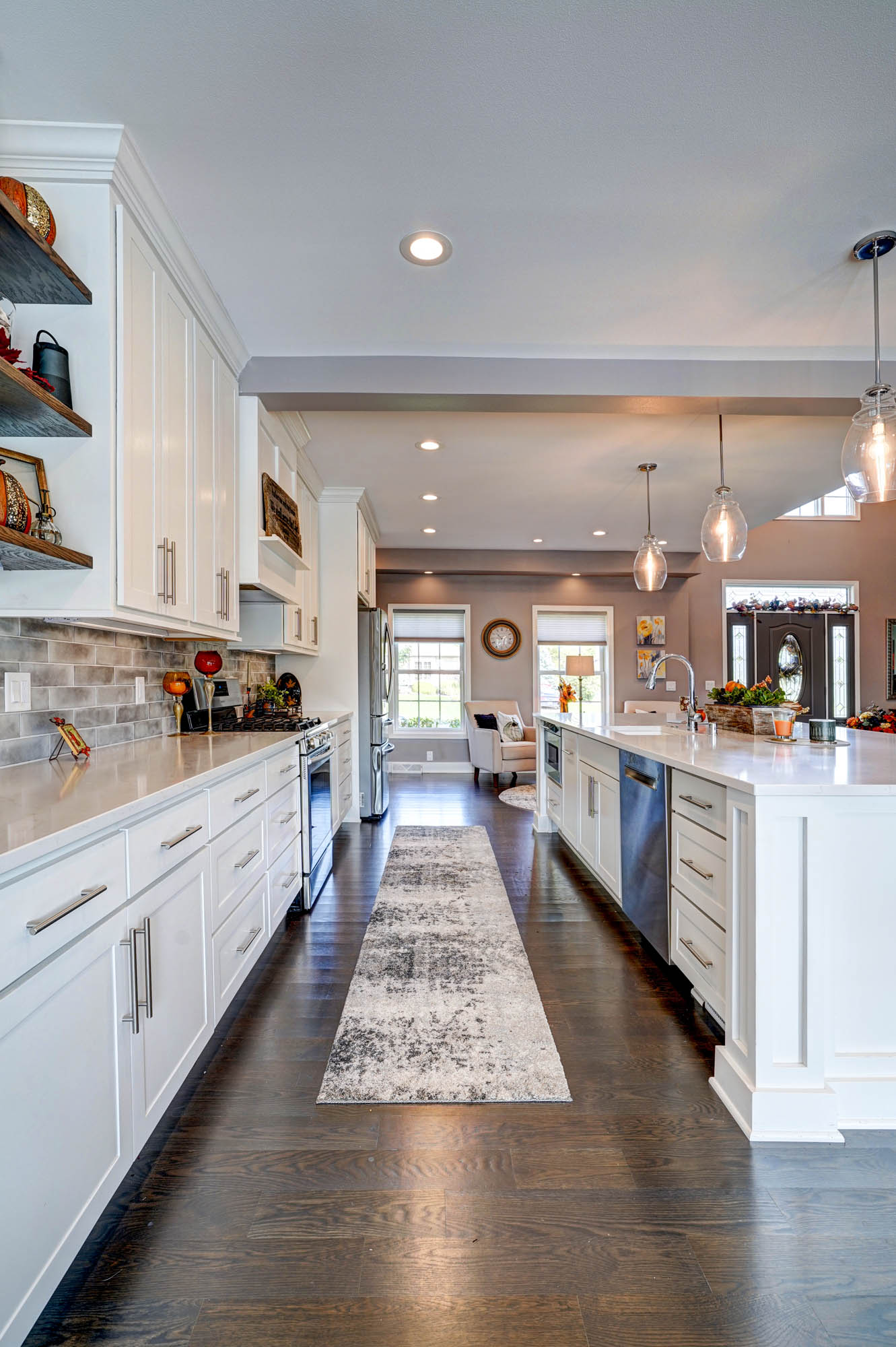
Kitchen sink placement rules explained so you can discover smart layouts, clearances, and workflow tips for any space. Use this guide to plan with confidence and avoid costly mistakes. If you are building new or remodeling in southeast Wisconsin, Elite Improvements is here to help you turn ideas into a kitchen you love.
Why Kitchen Sink Placement Matters
The sink is the anchor of your cleanup and prep routine. It sits at the center of food washing, handwashing, pot filling, and dish duty. When the sink is in the right spot, your kitchen feels smooth and safe. When it is not, you waste steps, collide with cabinet doors, and struggle with cluttered counters. Good placement protects your countertops, supports your appliances, and streamlines your day.
At Elite Improvements, we help homeowners across Burlington and greater southeast Wisconsin rework their layouts with proven kitchen sink placement rules. With a few measurements and a clear look at your habits, we can position the sink to boost your workflow without compromising style.
The Core Kitchen Sink Placement Rules
Use these widely recommended kitchen sink placement rules as a starting point. They apply to most kitchens, whether you are planning a simple refresh or a full remodel.
1. Keep the work triangle short and clear
The classic work triangle connects your sink, cooktop, and refrigerator. Shorter paths reduce steps and strain. Aim for uninterrupted routes with no open appliance doors blocking the way. Many guidelines suggest each leg of the triangle works best between 4 and 9 feet, with a total triangle length around 13 to 26 feet. If your layout cannot support a perfect triangle, focus on putting the sink near your main prep area and a few steps from the fridge.
2. Plan enough landing space on both sides
Countertop space on the sides of the sink is called landing space. It keeps wet items safe and gives you a place to set dishes, colanders, or cutting boards. A common rule is at least 24 inches of counter on one side of the sink and 18 inches on the other. If your kitchen is tight, do the best you can on the primary side where you prep and stack dishes. In larger kitchens, more landing space is even better.
3. Avoid crowding corners and walls
When a sink sits too close to a wall or inside corner, you lose elbow room and splash space. Try to keep the sink centerline at least 15 inches from a side wall. Near an inside corner, leave a few inches of counter between the sink edge and the corner so you can set a sponge holder or soap pump without knocking it off.
4. Place the dishwasher next to the sink
Dishwashers work best directly next to the sink on the side where most dishes travel. Keep the distance between the dishwasher and sink short to limit dripping and dripping-related slips. A common range is within 36 inches from sink center to dishwasher front. Make sure the dishwasher door, when open, does not block the path to the refrigerator, cooktop, or trash.
5. Keep trash and recycling within easy reach
Trash and recycling should live close to the sink to handle food scraps and rinsed cans. Many designers aim for a pull-out within a step or two. Under-sink trash works in very small kitchens, but a pull-out beside the sink is easier to use and keeps plumbing access clear.
6. Respect safe aisle widths
Clear walkways matter for comfort and safety around the sink. A work aisle is best at about 42 inches wide for one cook and 48 inches for two cooks. In compact kitchens, keep at least 36 inches of clearance. This reduces bumping into someone working at the sink or getting trapped by an open dishwasher door.
7. Choose a view and lighting that help
Many homeowners love a sink under a window, which brings in daylight and a view during cleanup. If a window is not possible, place the sink where task lighting can shine evenly without glare. Allow space behind the faucet for backsplashes and sill trim. Check that the faucet handle can swing fully without hitting the wall or the window frame.
8. Match sink type and size to the space
Big sinks are nice, but they eat counter space and may not fit next to a corner or range. Common widths run 24 to 36 inches. Depths from 8 to 10 inches handle most jobs without too much bending. If you cook a lot, consider a larger single bowl for sheet pans. If you share cleanup, a double bowl can help divide tasks. Your sink choice can affect where the faucet lands, the size of the cabinet below, and how much landing space remains.
9. Think about ergonomics and height
Standard counter height is about 36 inches, which fits most adults. If you are tall or you wash heavy pots often, a slightly shallower bowl can reduce back strain. If someone in your home uses a wheelchair or you are planning for aging in place, consider a lower counter at around 34 inches with open knee space under a prep sink. Work with a pro if you need a custom solution that blends style, comfort, and support.
10. Confirm plumbing and venting access
The best spot on paper still needs practical plumbing. Drains need slope, vents need a path, and dishwasher lines need routing. If you want the sink in an island, confirm that the floor structure allows for drain and vent runs. A seasoned contractor like Elite Improvements can review these details during planning so you do not hit surprises later.
Adapting Kitchen Sink Placement Rules To Your Layout
Different kitchens call for refined moves. Use the guidelines below to dial in the best position for each layout type.
Galley kitchens
In a galley, put the sink on the side with more continuous counter. Keep it near the center to split the run into prep space on one side and landing space on the other. Place the dishwasher next to the sink and the trash on the opposite side to spread tasks. Be careful with open door conflicts. Tape out the dishwasher swing before you commit.
L-shaped kitchens
In an L-shape, the sink often works best on the longer leg with the dishwasher beside it. If you need a corner sink, leave extra room for faucet access and soap storage, and use a well lit corner. Try to keep the cooktop a few steps away on the opposite leg so traffic flows around, not through, the cleanup zone.
U-shaped kitchens
U-shaped kitchens offer a natural center zone for the sink on the middle run. This balances your prep area and keeps major appliances on the side runs. Make sure the aisle width is wide enough so two people can pass while someone is at the sink. In tight U-shapes, place the dishwasher on the same run and plan for a slim trash pull-out.
Island kitchens
You have two common choices. Put the main sink on the perimeter and a prep sink on the island, or place the main sink on the island with the dishwasher beside it. A prep sink on the island is great for social cooking and keeps the main cleanup against a wall. A main sink on the island centers the action but needs careful plumbing, ventilation, and lighting plans. Either way, keep 24 inches of counter on at least one side of the sink and test sightlines to the family room or dining area.
Peninsula layouts
A peninsula sink is often used for open floor plans. Watch for splashes near seating. Leave at least 24 inches of counter on each side if possible. Place the dishwasher on the kitchen side of the peninsula so it does not open into seating traffic.
Practical Clearances And Measurements To Use
Here are baseline numbers you can bring to the tape measure. Treat these as general targets that fit most homes. Your space and codes may require adjustments.
- Landing space: 24 inches on one side and 18 inches on the other side of the sink
- Aisle width: 42 inches for one cook, 48 inches for two cooks, 36 inches minimum in tight spaces
- Dishwasher to sink: within about 36 inches and directly adjacent is best
- Sink from wall: centerline at least 15 inches from a side wall
- Corner buffer: a few inches of counter between sink edge and inside corner
- Counter height: about 36 inches standard, around 34 inches for accessible designs
- Trash location: within a step or two of the sink
- Lighting: task lights aimed to reduce shadows at the faucet and basin
Workflow Tips That Make Daily Tasks Easier
Your sink is part of a larger chain of tasks. Use these simple moves to lift the flow of your day.
- Put a cutting board and knives on the primary landing side of the sink so you can rinse, chop, and slide scraps to the trash
- Store dish soap, scrubbers, and towels under the sink in pull-outs that keep plumbing clear
- Mount a small rail or shelf near the sink for hand soap and lotion to free up counter space
- Place glassware and plates in the cabinet nearest the dishwasher to speed unloading
- Use a pull-out for trash and recycling near the sink and a second small bin at the prep zone if you have two cooks
- Choose a tall faucet with enough clearance for your tallest pot, and test reach to the back of the basin
Accessibility And Family-Friendly Placement
If you are planning for kids, multigenerational living, or aging in place, refine your kitchen sink placement rules with comfort and safety in mind.
- Consider a shallower sink bowl to lower lift height for heavy pots
- Use a pull-down faucet with a smooth, easy-to-grip handle
- Choose rounded counter edges near the sink to reduce bumps
- Provide non-slip flooring around the cleanup zone
- For wheelchair users, target a lower counter at about 34 inches and provide knee space under a secondary prep sink
- Place outlets and switches within easy reach while keeping required safety distances from water
Plumbing, Electrical, And Code Checks
Even the best design can fall short if you overlook the behind-the-wall details. Before you finalize sink placement, work with a licensed contractor and plumber to confirm the following items are feasible for your home and municipality.
- Drain line slope and route to the main stack
- Vent path for proper drainage and odor control
- Water line routing for sink and dishwasher
- Dishwasher drain connection using a high loop or air gap per local rules
- GFCI-protected outlets at the counter and any appliance circuits near water
- Shutoff valves that are easy to reach inside the sink base
- Structural limits for island plumbing if cutting into floors or joists is required
Elite Improvements is accredited by the BBB and Milwaukee NARI. We focus on ethical practices and clear communication with your building inspector so your project passes smoothly and meets local standards.
Step-By-Step Plan To Choose The Best Sink Spot
- Measure your room and note windows, doors, radiators, and any obstructions
- Map the triangle by marking likely spots for the cooktop and refrigerator
- Sketch two or three sink locations that keep short, clear paths between zones
- Lay out landing space with painter’s tape to visualize 24 inches on one side and 18 inches on the other
- Place tape on the floor for dishwasher and oven door swings to check conflicts
- Check light sources and plan task lights over the sink to remove shadows
- Confirm plumbing routes and vent options with a pro before buying fixtures
- Choose your sink style and width, then verify cabinet size and faucet clearance
- Plan storage for trash, towels, soaps, and cleaning tools near the sink
- Review accessibility needs and tweak heights or handle types as needed
- Finalize drawings and secure permits if required
- Schedule installation with a trusted contractor who stands behind their work
Common Mistakes To Avoid
These pitfalls can make a kitchen feel cramped or frustrating. Steer clear with careful planning and a quick check against your kitchen sink placement rules.
- Placing the dishwasher too far from the sink, which causes dripping and longer cleanup
- Forgetting landing space, which leads to cluttered counters and unsafe stacking
- Jamming the sink against a wall or corner, which reduces comfort and storage
- Choosing an oversized sink that cuts into prep space
- Ignoring door swings that trap someone at the sink when the dishwasher is open
- Overlooking faucet clearance to the window sill or backsplash
- Skipping plumbing checks for island sinks, which can cause delays and extra costs
- Neglecting good lighting, which makes cleanup harder and less safe
Real-World Examples Of Smart Sink Placement
Here are a few simple examples that show how these rules play out in real kitchens.
- Small galley: A 30 inch single-bowl sink sits mid-run with 24 inches of landing to the left and 18 inches to the right. The dishwasher is directly to the right. The cooktop is on the opposite wall, slightly offset to reduce cross traffic
- L-shaped family kitchen: A 33 inch sink anchors the long run beneath a window. The dishwasher sits to the left, with a 24 inch trash pull-out to the right. The refrigerator is on the short leg, creating a natural triangle that keeps kids out of the cleanup zone
- Entertainer’s island: A 24 inch prep sink on the island faces the living area for casual meals. The main 36 inch cleanup sink stays on the perimeter near the dishwasher and a tall pull-out pantry to ease unloading
Working With Elite Improvements
Elite Improvements is a family-owned home improvement company based in Burlington, Wisconsin. We serve homeowners across southeast Wisconsin with full-service remodeling, thoughtful additions, and exterior improvements like roofing, siding, and custom decks. Our team is known for craftsmanship, clear communication, and a friendly approach that keeps your project on schedule and on budget.
When you hire Elite Improvements for a kitchen remodel, we start with your goals and your routine. We measure, model a few layout options, and apply proven kitchen sink placement rules to shape a design that fits your space. Because we handle layout, cabinetry, flooring, electrical, plumbing, and finishes, we guide you from idea to final inspection with one accountable team.
We are accredited by the BBB and Milwaukee NARI, and we stand behind our work. Whether you need a kitchen refresh or a full addition that includes a new chef’s kitchen, we are ready to help.
Frequently Asked Questions About Sink Placement
Is the window always the best place for the sink
Not always. A window view is nice, but lighting, landing space, plumbing, and appliance placement matter more. Choose the spot that supports your daily workflow first, then see if a window placement fits the plan.
Should I put the sink or cooktop on the island
Both can work. If you host often, a prep sink on the island encourages social cooking while keeping the main cleanup against the wall. If your island is the largest surface and you want the sink at the center of activity, a main sink on the island can shine. Plan plumbing and storage carefully if you choose that route.
What is the best side for the dishwasher
Place it on the side of the sink where dishes move most often. Right handed users commonly prefer the dishwasher on the right, but your layout and cabinet plan should lead the decision.
How big should my sink be
Most homes do well with 30 to 33 inches. Go larger if you wash sheet pans often. If counter space is tight, a 24 to 27 inch sink saves room while still handling daily tasks.
Can I move the sink across the room
Often yes, but it depends on plumbing, venting, and floor structure. Island sinks take extra planning. A site visit with a contractor like Elite Improvements will confirm what is practical and what it may cost.
Your Next Steps
If you remember just a few kitchen sink placement rules, keep landing space on both sides, keep the dishwasher close, and protect clear paths for safe movement. Focus on lighting and storage nearby so cleanup tools are always within reach. With these basics, you can turn even a small kitchen into a smooth, hardworking space.
Ready to plan your kitchen with confidence Contact Elite Improvements for a friendly consultation. Call 262-716-6663 or visit eliteimproves.com to get started. We are proud to serve Burlington and southeast Wisconsin with remodeling, additions, and exterior improvements that put quality and service first.
Related Posts
Do Heated Bathroom Floors Actually Warm Up The Whole Room In Winter?
How To Tell If A Kitchen Island Will Actually Fit In Your Small Kitchen Layout
Remodel Or Tear Down? How To Decide IN 2026