
February 4, 2026
How to Tell if a Lot Is Actually Buildable in Lake Geneva
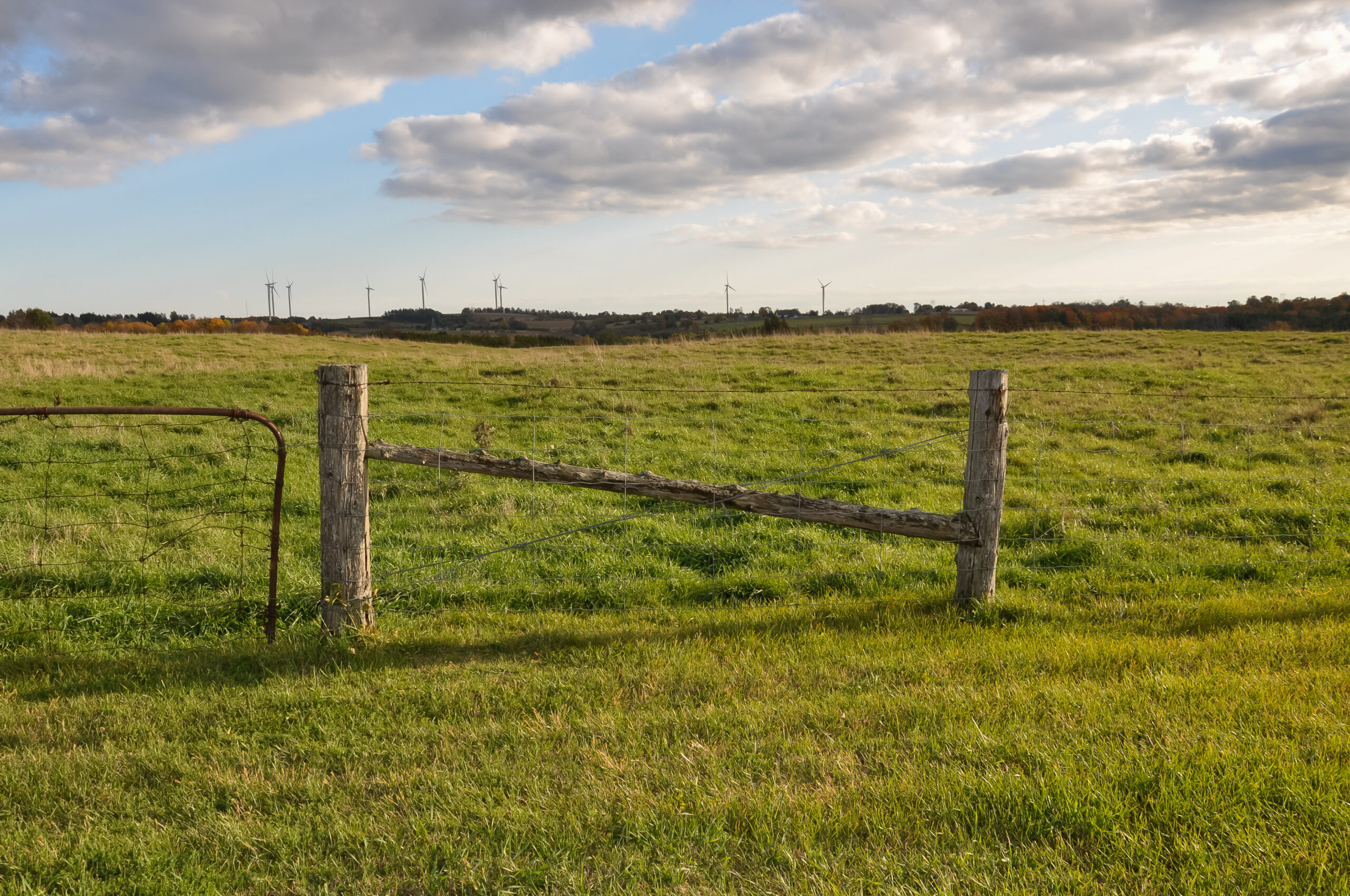
If you want to build a house in Lake Geneva, the first step is to confirm the lot you love is truly buildable. Lakeside property brings its own rules, and a parcel that looks perfect at first glance can hide zoning limits, soil issues, or access problems that turn a dream into a delay. This guide walks you through the essentials, from setbacks and utilities to shoreland protections, so you can make a smart offer and move forward with confidence. As a family-owned contractor serving southeast Wisconsin, Elite Improvements can help you evaluate your options and plan the right path to a build or a strategic remodel.
Why Buildability in Lake Geneva Is Different
Lake Geneva sits in Walworth County and includes several jurisdictions like the City of Lake Geneva, the Town of Geneva, and nearby communities such as Linn, Fontana, and Williams Bay. Water proximity adds shoreland zoning and environmental layers to the standard zoning rules. Many lots are on hillsides or tucked into older plats with narrow widths. Some areas have city sewer and water. Others need private wells and septic systems. All of this affects whether you can build a house in Lake Geneva, where you can place it, and how much it will cost.
Because of the lake, you may face extra limits on impervious surfaces, tree removal, erosion control, and shoreline work. These protections are designed to keep the lake healthy and stable. They are important to understand before you buy or begin design.
A Quick Checklist Before You Make an Offer
- Confirm the jurisdiction and zoning district for the exact parcel.
- Ask the local planning or zoning office for minimum lot size, width, setbacks, height limits, and lot coverage.
- Check whether the lot is in shoreland, wetland, or floodplain zones.
- Verify access to public sewer and water or plan for well and septic feasibility.
- Review recorded covenants, HOA rules, and easements that might affect building.
- Order a current boundary and topographic survey to find the true building envelope.
- Get soil borings and a perc test if a septic system is required.
- Budget for grading, retaining walls, stormwater, and shoreline protection if needed.
- Use strong contingencies in your offer so you can exit if the lot is not buildable.
- Speak with a local builder like Elite Improvements early for practical cost and timeline guidance.
Start With Zoning and Land-Use Rules
Which Jurisdiction Applies?
Begin by identifying which government body regulates the lot. A Lake Geneva mailing address does not always mean the City of Lake Geneva controls permits. You may be in the Town of Geneva or within Walworth County’s shoreland jurisdiction. Contact the city or town zoning office and Walworth County Land Use if you are within 1,000 feet of the lake or 300 feet of a navigable stream. Each has slightly different standards. Getting this right sets the rules for everything else.
Minimum Lot Size, Width, and Coverage
Most zoning districts require a minimum lot area and width. Older lots that are narrow or small may be legal nonconforming. In some cases, you can still build a house in Lake Geneva on a substandard lot, but the building size and placement will be limited. Coverage rules restrict how much of the lot can be covered by structures and paved areas. Near the lake, impervious surface caps are often tighter to protect runoff. Ask for the exact percentage allowed and whether pervious pavers count differently.
Setbacks, Lake Yard, and Building Height
Standard front, side, and rear setbacks define the buildable rectangle. On lakeside parcels, there is often a special lake yard setback from the ordinary high-water mark. Boathouses, decks, and stairs have their own limits. Height restrictions may also be lower near the shoreline. A survey with marked setbacks will show if the home you want will fit. This is a key step when you hope to build a house in Lake Geneva with lake views and outdoor spaces.
HOA, Covenants, and Deed Restrictions
Many platted neighborhoods around Lake Geneva have recorded rules that affect home size, exterior style, minimum setbacks, and materials. Some require architectural review. These private rules can be stricter than city or county codes. Make sure your title work pulls all covenants and easements so there are no surprises after closing.
Shoreland, Wetlands, and Floodplain Protections
Shoreland Zoning
Most land within 1,000 feet of Lake Geneva falls under shoreland zoning. This layer controls setbacks, riparian structures, vegetation removal, and impervious surfaces. Certain work near the waterline may require permits or mitigation plans. If you plan to build a house in Lake Geneva with a walkout or a patio near the shore, you will need to design around these standards from the start.
Wetland Mapping and Field Delineation
State and county maps can show wetlands on or near your lot. Even if a map looks clear, a site can still contain small wet areas that trigger protection rules. If a buildable area is tight, hire a qualified wetland specialist to walk the site and, if needed, flag the actual boundary. Building in a wetland is typically not allowed, and buffers may apply.
Floodplain and Base Flood Elevation
Near streams or low-lying areas, floodplain rules may control floor elevation, fill, and basement use. Check the FEMA maps and local floodplain overlays. If a portion of the lot is in floodplain, a surveyor can shoot elevations to see where a home can sit above the base flood level. This can affect foundation type, driveway slope, and insurance costs.
Utilities and Septic Feasibility
City Sewer and Water Availability
Public sewer and water simplify a build, but not every lot has them. Ask the local utility for a written confirmation of service. If mains exist, check whether laterals are stubbed to the lot and where they are located. Directional boring across a street, tapping fees, and pavement restoration can add costs. Confirm pressure and flow for firefighting and irrigation needs.
Private Well and Septic Systems
Many Lake Geneva area parcels rely on private wells and septic systems. For a septic system, a soil test by a licensed soil tester is required. The test identifies the soil type, depth to seasonal water table, and suitability for systems like conventional trenches, at-grade, or mound systems. A failing perc test does not always kill a project, but it can require a more complex system and more space. This can shrink the building envelope. Set aside enough area for both a primary and a future replacement drain field. For wells, verify required setbacks from septic systems, property lines, and shorelines.
Electric, Gas, Internet, and Propane
Check with the electric utility and gas provider for service plans, transformer locations, and estimated extension fees. If natural gas is not available, plan for propane tank placement and required clearances. Internet can be limited in some pockets, so ask providers about service speeds. If you work from home, this matters for design and daily life.
Soil, Slope, and Site Engineering
Soil Borings and Geotechnical Review
The soil under your foundation must support the home. Lake-adjacent lots can have fill, sand, or silty layers that affect bearing capacity. A geotechnical engineer can perform borings and recommend foundation designs, such as footings, helical piers, or over-excavation and recompaction. This is especially important on hillside sites or where a walkout basement is planned.
Topography, Cut and Fill, and Retaining Walls
Steep grade changes are common around Lake Geneva. To build a house in Lake Geneva that fits the land, you may need grading and retaining walls. Work with a civil designer to balance cut and fill so you reduce imported soil costs and control runoff. Retaining walls near property lines need careful design and may require permits. Consider access for construction equipment, as tight lake roads and steep drives can add to staging and mobilization costs.
Erosion Control and Stormwater
Local rules require erosion control measures during construction. Silt fence, tracking pads, and inlet protection keep sediment out of the lake and storm sewers. You may also need a stormwater plan that manages roof and driveway runoff with rain gardens or underground systems. These items protect the lake and can also enhance your landscape when designed well.
Access, Driveways, and Fire Requirements
Legal Access and Driveway Permits
Confirm that access to the lot is legal and permanent. Some parcels rely on private drives or easements across a neighbor’s land. Read the recorded documents to understand maintenance and snow removal duties. If the lot takes access from a county or state highway, you may need a driveway permit. Steep or winding driveways may also have slope and width limits.
Fire Access, Hydrants, and Turnarounds
Fire departments can require certain driveway widths, clearances, and turnarounds for large apparatus. If there is no nearby hydrant, your design may need a sprinkler system or specific water supply measures. Ask the building department and fire marshal early so your plan passes review without delay.
Surveys, Title, and Encumbrances
Boundary Surveys and Building Envelope
A current boundary survey is essential. It shows property corners, lot lines, easements, and setbacks. Adding topography helps your designer place the home, driveway, and septic areas. On the lake, confirm the ordinary high-water mark and any pier locations. Measure twice so you only build once.
Easements, Utilities, and View Corridors
Utility easements can block certain locations for a house or pool. Drainage easements limit grading and fencing. Some neighborhoods even protect view corridors. Map these constraints on the site plan. When you want to build a house in Lake Geneva that takes advantage of views, this extra layer of planning is worth the time.
Title Review and Encroachments
Review the title report for old agreements, shared driveways, or rights of first refusal. On older lake cottages, fences, sheds, or even stairs can encroach over lines. Your surveyor can locate these and help you plan removals or agreements before you start building.
Budget, Timeline, and Risk Management
Realistic Cost Allowances
Site work costs can make or break a budget. Add allowances for soil corrections, foundation upgrades, driveway work, utilities, stormwater systems, and landscaping. Lakeside builds may also need shoreline stabilization or tree protection. Elite Improvements helps homeowners create realistic site and finish budgets that match their goals before permit submittal.
Permitting and Seasonal Timing
Permitting timelines can stretch during peak season. Some work like tree removal or shoreline restoration can be seasonally restricted. Plan design and approvals in fall or winter so you break ground as soon as spring opens. If you need a variance, add time for hearings and neighbor notifications.
Smart Purchase Contract Contingencies
Protect yourself with contingencies for zoning verification, septic feasibility, utility access, and acceptable survey results. If you plan to build a house in Lake Geneva, do not waive these protections. A builder’s feasibility review from Elite Improvements can support your agent as they negotiate clear deadlines and deliverables.
How Elite Improvements Helps You Plan to Build a House in Lake Geneva
Elite Improvements is a family-owned contractor based in Burlington, Wisconsin, serving Lake Geneva and the rest of southeast Wisconsin. We specialize in high-quality remodeling, thoughtful home additions, and exterior improvements. Our team is accredited by the BBB and Milwaukee NARI, and we focus on ethical practices, clear communication, and craftsmanship.
If you are unsure whether to build new or transform an existing cottage, we can help you compare paths. Our preconstruction process includes a practical look at zoning, budgets, and timelines. We help you coordinate surveys and soil tests, and we connect with local officials to clarify rules. Then we design and price solutions that fit your lot and lifestyle.
Our services include kitchen, bathroom, basement, master suite, and living room remodels. We build additions like bathrooms, bedrooms, home offices, and sunrooms, and we also do bump-outs for extra space. On the exterior, we handle roofing, siding, and custom decks that stand up to Wisconsin weather. Whether you decide to build a house in Lake Geneva or remodel what you buy, Elite Improvements can guide you from first walk-through to final punch list. Visit eliteimproves.com or call 262-716-6663 to start a no-pressure conversation.
Frequently Asked Questions about Lake Geneva Buildability
Can I tear down an old cottage and build new?
Often yes, but you must confirm the lot is a legal building site under current zoning. If the old structure sits inside today’s setbacks, the new build must meet current setbacks unless you secure approvals. In shoreland areas, additional rules apply to height, impervious surfaces, and vegetation. A survey and zoning check are the first steps.
How close can I build to the water?
There is usually a lake yard setback from the ordinary high-water mark. The distance varies based on jurisdiction and lot conditions. Some decks, walkways, and stairs have special rules. You may also face impervious surface limits. Ask the local zoning office for the exact lake yard requirement for your parcel before you design.
Do substandard lots ever qualify for a house?
Many older Lake Geneva lots are smaller or narrower than today’s standards. Some are legal nonconforming lots that can still be built upon within limits. Others may need variances or may not qualify. If you want to build a house in Lake Geneva on a small lot, get a zoning letter and a survey right away. This will show whether a home can fit within the allowed envelope.
How long does permitting take?
Plan for a few weeks to a few months, depending on complexity and season. A straightforward build with complete plans and clear utility access is faster. Shoreland work, variances, or complicated stormwater designs take longer. Elite Improvements helps sequence design, engineering, and submittals so you move smoothly through approvals.
What if my lot fails a perc test?
A failed perc test does not always end a project. An engineered system like a mound or at-grade can still work if there is space and the soil supports it. Costs will be higher, and the system footprint can shift your building location. If there is no compliant spot for a system and replacement area, the lot may not be buildable. Always test early and make your offer contingent on septic feasibility.
Design Strategies That Make Challenging Lots Work
Lake Geneva sites often reward smart design. A well-planned footprint can comply with setbacks and still deliver the spaces you want. Consider a narrow, deep floor plan that stacks rooms to fit a tight lot. Use a walkout lower level to gain usable space on a slope. Place garages and drives to reduce long retaining walls. Choose pervious hardscapes and strategic planting to meet stormwater rules and add beauty. Elite Improvements brings these strategies into your plan so your home feels effortless and fits your lot.
Common Red Flags That Suggest a Lot Is Not Buildable
- No legal access or unresolved shared driveway disputes.
- Wetland coverage or buffers that overlap the entire buildable area.
- Floodplain elevations that push the home too high or make the driveway too steep.
- Soils with high groundwater and no septic solution.
- Extreme slope with no room for grading, walls, or safe construction access.
- Recorded easements that block the only practical building location.
- HOA rules that conflict with your intended home size or style.
Your Action Plan to Build a House in Lake Geneva
- Identify the lot’s jurisdiction and zoning district.
- Request written zoning standards and shoreland rules.
- Order a boundary and topographic survey.
- Verify sewer and water, or schedule soil testing for septic.
- Screen for wetlands and floodplain impacts.
- Map setbacks, easements, and the realistic building envelope.
- Develop a concept plan and a preliminary site budget.
- Meet with local officials for a pre-application review if needed.
- Write an offer with strong buildability contingencies.
- Hire Elite Improvements to finalize design, price, and permits.
Next Steps: Turn a Lot Into a Home with Elite Improvements
If your goal is to build a house in Lake Geneva, you deserve a clear picture of what is possible before you invest. Elite Improvements helps you evaluate lots, plan budgets, and choose between new construction and strategic remodeling. We are known in southeast Wisconsin for kitchens, baths, basements, additions, roofing, siding, and custom decks that last. Our team brings practical field experience and a customer-first mindset to every project. We are accredited by the BBB and Milwaukee NARI, and we stand behind our work.
Get expert help early. Visit eliteimproves.com or call 262-716-6663 to schedule a friendly consultation. We will review your lot, your goals, and your timeline, then map out the steps to make your Lake Geneva home happen the right way, without costly surprises. This is how you build with confidence.
Note: This article is a general guide and not legal or engineering advice. Always confirm current rules with the appropriate local authorities and licensed professionals.
Related Posts
How to Design a Modern Ranch for a Small Lot
Why Modern Ranches are Taking Over Lake Geneva
Lake House Features That Actually Handle Humidity