
October 28, 2025
Basement home gym layouts (what really fits in 10×12, 12×16, 14×20)
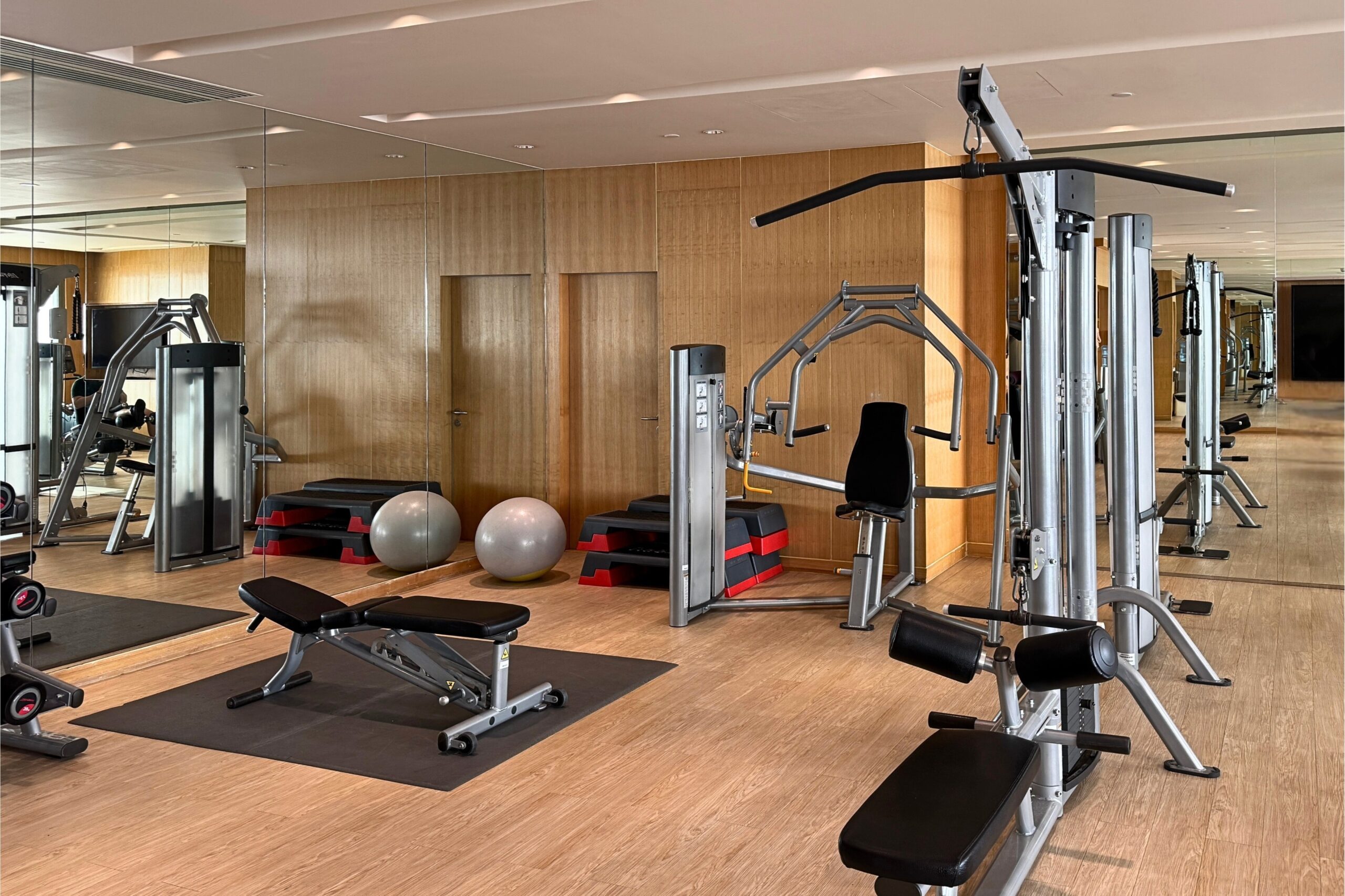
Smart basement gym ideas that actually fit your space
Basement gym ideas to maximize small spaces. See what really fits in 10×12, 12×16, and 14×20 with layout tips and gear picks. Plan your perfect home gym now with realistic measurements and pro renovation advice from Elite Improvements in Burlington, Wisconsin.
Planning a basement home gym is exciting, but it is easy to overestimate what fits. Between ceiling height, posts, doors, and utilities, basements have quirks that change your layout. This guide gives you realistic floor plans for 10×12, 12×16, and 14×20 basements, plus equipment footprints, safety clearances, and upgrade ideas. If you want professional design-build support in southeast Wisconsin, Elite Improvements can help you create a clean, bright, and durable gym that is built to last.
Start with a true plan and measurements
Measure more than the walls
Grab a tape measure and sketch your basement. Mark every obstacle so your basement gym ideas are grounded in reality.
- Ceiling height at the lowest points, including ductwork and beams.
- Column locations and their diameters.
- Stair landing and door clearances when doors swing open.
- Window wells, egress windows, and mechanicals like furnaces and water heaters.
- Electrical outlets, plumbing cleanouts, and floor drains.
Plan for at least one continuous 30 to 36 inch walkway so you can move between zones, open storage, and reach equipment safely.
Know real equipment footprints and clearances
Here are practical footprints that include space to actually use and walk around each item.
- Power rack or half rack: 4×4 foot base. Plan 8×6 feet to lift and spot safely.
- Flat or adjustable bench: 2×6 feet in use.
- Dumbbell rack: 2 feet deep and 6 to 8 feet long. Keep 4 to 5 feet clear in front to lift.
- Treadmill: 3×7 feet minimum. Leave 2 to 3 feet on each side and 3 to 6 feet behind the deck for safety.
- Rower: 2×8 feet in use. Some fold up for vertical storage.
- Exercise bike: 2×4 feet.
- Elliptical: 3×7 feet with extra head clearance.
- Functional trainer or cable machine: about 6 feet wide by 4 feet deep. Keep 6 feet clear in front.
- Deadlift or platform area: 4×8 feet.
Ceiling height reality check
Many basements in Wisconsin range from 7 to 8 feet finished ceiling height. That affects pull-ups, overhead presses, treadmills, and ellipticals.
- Pull-ups: You want 18 inches of headroom above your hands. With a 7 foot ceiling, mount a lower bar and bend knees, or choose a rack with a low multi-grip bar.
- Overhead press: Consider seated presses or incline work if you are over 6 feet tall and have 7 foot ceilings.
- Treadmills and ellipticals: Add the equipment’s step-up height plus your height. Many treadmills add 6 to 9 inches. Ellipticals can add 12 to 16 inches.
Flooring, moisture, and comfort
Basements need moisture-aware solutions. Start with a dry, sealed slab and proper humidity control. Then layer in comfort and protection.
- Vapor protection: If finishing the floor, use an appropriate vapor barrier or epoxy that tolerates basement conditions.
- Rubber flooring: 8 to 12 mm mats work for most home gyms. Use 3/4 inch horse stall mats or rubber tiles under heavy lifting platforms.
- Acoustic underlayment: Consider a sound-damping layer if you plan to lift or do HIIT while others sleep.
- Dehumidification: Target 40 to 50 percent relative humidity year round.
Lighting and electrical
Good lighting makes a basement gym feel bigger and safer. Plan enough power for cardio and cable machines.
- Lighting: Bright, even LED lighting at 4000 to 5000K for a clean daylight feel. Add mirrors to bounce light.
- Power: 20 amp GFCI-protected circuits for treadmills and ellipticals. Keep cords off walkways.
- Switches and outlets: Place outlets near planned machines and install a master switch for the gym zone.
Sound, ventilation, and safety
Basement gyms can get stuffy and loud. Plan for airflow and noise management.
- Ventilation: Add a fresh air supply or a ducted return to your HVAC. A dedicated mini-split is ideal for temperature control.
- Noise: Rubber flooring, acoustic panels, and floating platforms reduce transmitted sound.
- Safety: Keep egress routes clear. Choose tempered mirrors and anchor heavy racks to the slab.
What really fits in a 10×12 basement gym
A 10×12 room equals 120 square feet. After walkways and storage, plan on 70 to 90 square feet of usable training area. You can do a serious setup if you pick the right gear and stay organized.
Layout A: Strength-first studio
This layout prioritizes barbell and dumbbell training in tight quarters.
- Wall-mounted folding squat rack with pull-up bar. Folds to reclaim space when not lifting.
- Adjustable bench stored vertically on a wall hook.
- Dumbbell rack 6 feet long with weights from 5 to 50 pounds.
- Barbell and bumper plates on a vertical storage tree.
- 4×8 foot lifting platform in the center or two overlapping 4×6 mats.
- Resistance bands and a compact wall-mounted cable pulley for accessory work.
Place the folding rack on the long wall. Keep a 36 inch walkway along one side. Put the dumbbell rack on the opposite wall with 4 to 5 feet to lift. Use ceiling-mounted hooks for jump ropes and bands to keep the floor clear.
Layout B: Conditioning-first studio
If you favor cardio and circuits, this setup keeps movement smooth while saving space.
- Compact treadmill or rower. The rower stands up vertically after use.
- Exercise bike with tablet mount.
- 3×6 foot mat zone for bodyweight, kettlebell, and mobility work.
- Small vertical rack for kettlebells and medicine balls.
- Fold-down wall bench for step-ups and dips.
Pick either a treadmill or rower to keep the room open. Store kettlebells on a corner rack and park the bike near an outlet. Mirror one wall to make the 10×12 feel larger.
Layout C: Balanced hybrid
Blend strength and conditioning by making each piece multitask.
- Half rack with spotter arms.
- Adjustable bench.
- Single cable column or wall pulley for rows and face pulls.
- Rower that stores upright.
- One 6 foot dumbbell rack and a compact plate tree.
Keep the rack centered on the long wall, rower parked in front of a window for ventilation, and cable column in a corner with 6 feet clear in front. This layout supports benching, squats, pulls, and steady-state cardio without feeling crowded.
What really fits in a 12×16 basement gym
A 12×16 room equals 192 square feet. This is the sweet spot for a small family gym. You can create zones for lifting, cardio, and mobility without sacrificing safety clearances.
Layout A: Power rack plus cardio combo
- Full power rack with pull-up bar and safety straps.
- Dedicated 4×8 foot platform in front of the rack.
- 8 foot dumbbell rack with a 5 foot lifting corridor.
- Treadmill or elliptical along the short wall with direct outlet access.
- Adjustable bench, barbell organizer, and plate tree.
- Mirror wall behind the dumbbell rack.
Set the rack on a long wall so the platform stays clear. Place the treadmill on the opposite short wall to maintain a stable walkway around the lifting area. You can safely spot and re-rack weight without blocking the cardio zone.
Layout B: Functional training studio
- Functional trainer or dual cable column centered on a long wall.
- Half rack with pull-up bar for squats and presses.
- Bike or rower next to a window or vent.
- 10×4 foot mobility strip with turf-style mat for sled pulls with a strap, not a hard sled.
- Storage wall with pegs for bands, belts, and attachments.
This plan suits varied workouts, from cable isolation and core to supersets and circuit days. Keep at least 5 to 6 feet in front of the cable machine for full range of motion.
Layout C: Family-friendly zone
- Compact rack or folding rack for the main lifter.
- Two cardio stations, like a bike and a rower.
- Foam tile corner and small storage for kids to stretch or follow bodyweight videos.
- Closet or built-in cubbies for shoes, towels, and accessories.
If multiple people use the space, label storage bins and hang a whiteboard for workouts. Good lighting and mirrors help keep the energy up for everyone.
What really fits in a 14×20 basement gym
A 14×20 room equals 280 square feet. This is a true multi-zone gym that can hold a full rack, a serious dumbbell run, and two cardio machines with a clear mobility area.
Layout A: Strength athlete build
- Full power rack with landmine attachment and pull-up bar.
- 2 platforms if you have two lifters, or a single oversized 6×8 foot platform for Olympic lifts.
- 12 foot dumbbell rack up to 80 or 100 pounds.
- Plate storage tree and vertical barbell holders for specialty bars.
- GHD or reverse hyper if ceiling height allows safe use.
- Fan or air purifier near the lifting area.
Anchor the rack near the center of a long wall for balanced traffic flow. Keep 36 inch walkways around platforms. Use corner space for specialty gear that is not used daily.
Layout B: Complete cross-training studio
- Half rack and adjustable bench.
- Functional trainer with multiple attachments.
- Treadmill plus rower or ski trainer.
- 10×6 foot open floor for kettlebells, battle ropes, and mobility.
- Wall-mounted stall bars for stretching and core work.
This plan offers lifting, cardio, athletic conditioning, and recovery. Add acoustic panels on the ceiling to reduce echo in a larger space.
Layout C: Luxury home gym
- Cable crossover or high-end functional trainer.
- Commercial treadmill with a shock-absorbing platform.
- Pilates or yoga zone with a fold-out reformer or mat cabinet.
- Built-in storage with soft-close doors, integrated lighting, and a mini fridge.
- Large wall mirrors and a TV on a swing arm for classes.
With ample room, you can create a clean aesthetic that blends into the rest of the finished basement. Choose quiet equipment and add dimmable lighting presets for warm-up, workout, and cool-down.
Gear picks that save space and boost performance
Choose compact and foldable equipment
- Folding wall racks: Ideal for 10×12 rooms. Fold away to open floor space for mobility or circuits.
- Vertical storage: Keep barbells, plates, and mats off the floor to protect walkways.
- Upright rowers and stackable bikes: Easy to move and store.
- Adjustable dumbbells: Replace full racks if you are tight on space, but note they can feel bulky for certain lifts.
- Single cable column: Wall-mounted or plate-loaded models take less room than a full functional trainer.
Flooring and platforms
- Rubber tiles or rolls: 8 to 12 mm for general use.
- Platform corner: Use 3/4 inch rubber layered with plywood for deadlifts to reduce noise and protect the slab.
- Transition strips: Safe edges where gym flooring meets finished flooring elsewhere.
Mirrors, walls, and ceilings
- Mirrors: 36 inches high by 60 inches wide sections mounted side by side at bar height. Use safety-backed or tempered glass.
- Paint: Light matte colors reduce glare and make rooms feel bigger.
- Ceiling: Drywall or acoustic tiles with sealed, low-profile LED cans.
Budget ranges and timelines
Costs vary by size, finishes, and whether you need waterproofing, electrical upgrades, or framing. Here are typical ranges in southeast Wisconsin.
- Essentials-only 10×12 setup: $2,500 to $6,000 for flooring, folding rack, bench, adjustable dumbbells, rower, and mirrors. Minimal remodeling.
- Finished 12×16 gym: $12,000 to $30,000 including framing, electrical, lighting, drywall, paint, rubber flooring, mirrors, and mid-range equipment.
- High-end 14×20 training studio: $30,000 to $70,000 plus for full finishes, HVAC improvements, premium lighting, storage built-ins, and commercial-grade gear.
Typical renovation timelines range from 2 to 8 weeks depending on scope. Elite Improvements can provide a clear, itemized estimate and schedule to keep your project on track.
Permits, codes, and Wisconsin-specific notes
Even simple basement gym ideas benefit from code-aware planning. In Wisconsin, you may need permits for framing, electrical circuits, or adding egress windows. GFCI protection is required in unfinished basements and often in finished gym areas. Maintain egress clearances and keep access to mechanical equipment. If you are unsure, ask Elite Improvements to review your plan and handle permits so your gym is safe and compliant.
Common mistakes to avoid
- Ignoring head clearance for pull-ups and treadmills. Measure your head height in use.
- Overfilling the room. Leave at least one 30 to 36 inch walkway.
- Skipping moisture control. Run a dehumidifier and seal the slab before adding flooring.
- Placing cardio away from outlets. Plan outlets behind equipment to avoid extension cords.
- Buying a huge cable machine in a 10×12 room. Choose a single column or wall pulley instead.
- Not anchoring heavy racks. Bolt to the slab for stability and safety.
Sample step-by-step planning checklist
- Measure the room and draw a to-scale sketch, including posts and obstacles.
- Define your top three training goals: strength, cardio, mobility, or sports-specific.
- Choose a layout based on your room size from the options above.
- List equipment with footprints and verify clearances around each item.
- Select flooring, lighting, and storage solutions that match your plan.
- Confirm electrical needs and ventilation with a professional.
- Decide on finishes, mirrors, and paint colors to brighten the space.
- Set a budget and timeline. Get a written proposal if remodeling.
- Order equipment in phases so you can test fit as you go.
- Schedule final inspection of anchors, outlets, and safety items.
Why partner with Elite Improvements for your basement gym
Elite Improvements is a family-owned home improvement company in Burlington, Wisconsin, serving southeast Wisconsin with remodeling, additions, and exterior projects. Our team has completed basement remodels that include gym-specific flooring, moisture control, electrical upgrades, and custom storage. We are accredited by the BBB and Milwaukee NARI, which means we commit to ethical practices and clear communication on every project.
Design-build that matches your workouts
We listen to your goals first. Then we design a layout that suits your training style and your house. Whether you need a folding rack and rubber floors in a compact 10×12, or a full 14×20 studio with dual zones, Elite Improvements delivers a clean, professional finish that stands up to sweat and heavy use.
What we can include
- Basement remodeling with framing, drywall, paint, and sound control.
- Durable rubber flooring, platforms, and transitions.
- Dedicated circuits for cardio equipment with GFCI protection.
- Lighting plans with bright, even LEDs and dimmable scenes.
- Custom storage walls, mirrors, and built-in cubbies.
- Moisture mitigation and dehumidification for year-round comfort.
We also offer full-service remodeling for kitchens, bathrooms, master suites, and living rooms, as well as additions like home offices and sunrooms. For exteriors, we install roofing, siding, and custom decks. If your gym is part of a bigger basement remodel or a whole-home plan, you can count on one team to manage it all.
Basement gym ideas by goal
Strength-focused
- Must-haves: Half or full rack, bench, barbell, plates, dumbbells, 4×8 platform.
- Nice-to-haves: Landmine, cable column, chalk station, plate storage.
- Tip: Choose a rack with spotter arms and bolt it down for safety.
Cardio-focused
- Must-haves: One main cardio machine like a treadmill, rower, or bike.
- Nice-to-haves: Fan, TV mount, and heart rate monitor shelf.
- Tip: Place cardio by an outlet and ventilation for comfort.
Hybrid or family
- Must-haves: Compact rack, adjustable bench, adjustable dumbbells or a short rack, and one cardio machine.
- Nice-to-haves: Stretching corner, mirror wall, kids’ storage bin, whiteboard for workouts.
- Tip: Use vertical storage so multiple users can move safely through the room.
Bring your basement gym ideas to life
If you want your gym to look as good as it performs, a professional finish makes a big difference. Elite Improvements can remodel your basement gym with lighting that energizes, flooring that protects, and storage that keeps gear organized. As a local Burlington contractor serving southeast Wisconsin, we understand regional codes, moisture needs, and the way basements are built here. We stand behind our work and treat your home with care.
Ready to map your 10×12, 12×16, or 14×20 gym layout and get a clear quote. Visit eliteimproves.com or call 262-716-6663 to schedule a consultation with Elite Improvements. Let us help you create a basement gym that fits your space, your goals, and your life.
Related Posts
Do Heated Bathroom Floors Actually Warm Up The Whole Room In Winter?
How To Figure Out The Best Placement For Your Kitchen Sink
How To Tell If A Kitchen Island Will Actually Fit In Your Small Kitchen Layout