
April 25, 2026
Do Heated Bathroom Floors Actually Warm Up The Whole Room In Winter?
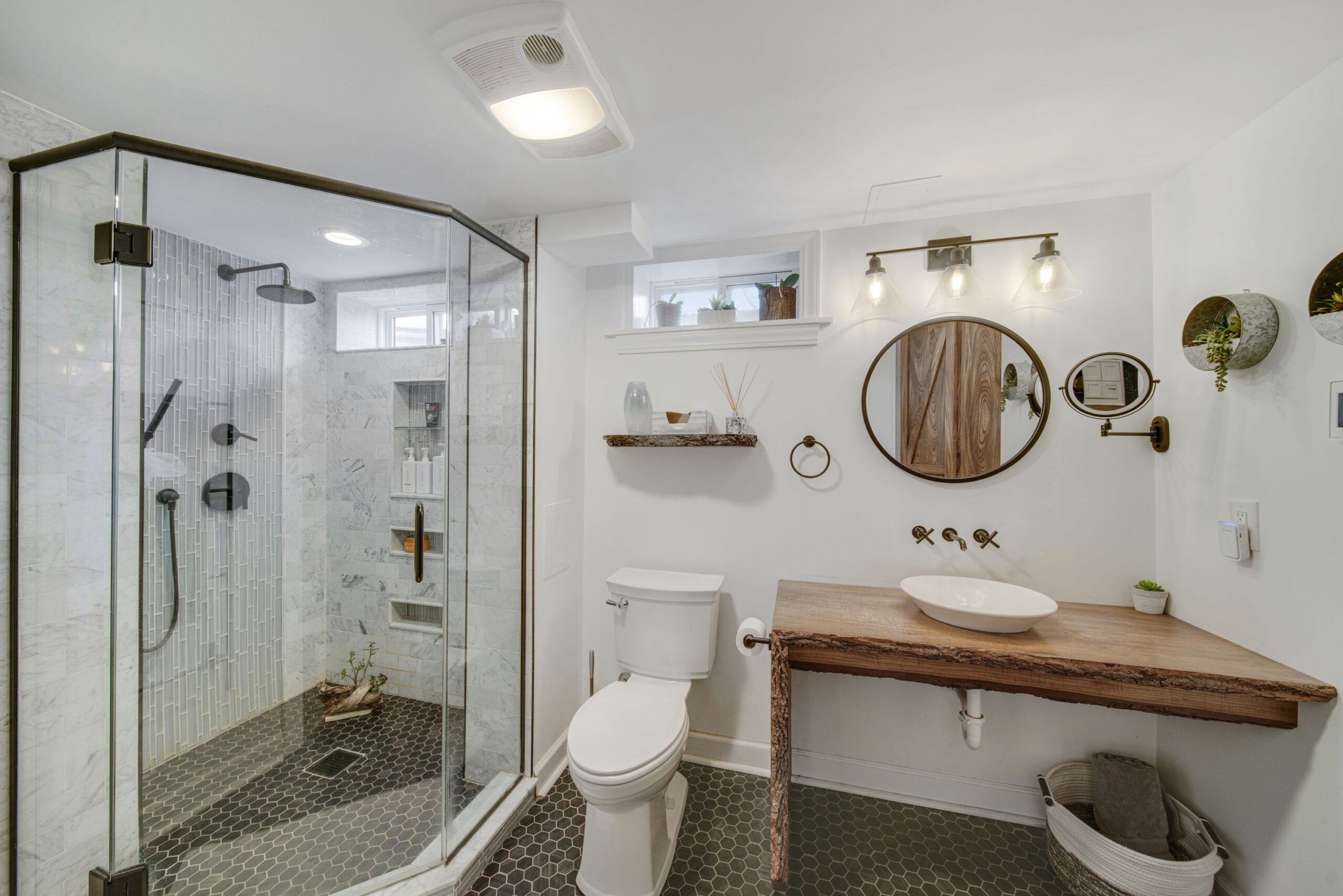
Are heated bathroom floors worth it? If you live in Wisconsin, the idea of stepping onto a warm floor during a cold morning sounds perfect. But beyond that cozy feeling, many homeowners want to know if radiant floor heat can actually warm the entire bathroom in winter. In this guide, the team at Elite Improvements explains how heated floors work, when they can heat the whole room, cost and efficiency tips, and how to know if they are the right fit for your home. Our goal is to give you clear, practical advice so you can make a confident decision.
What Are Heated Bathroom Floors?
Heated bathroom floors use radiant heat below the finished floor surface to warm the floor and gently raise the temperature of the room. The system turns the floor into a low-temperature heat source that feels comfortable on bare feet and reduces chilly drafts.
Electric Radiant Mats and Cables
Electric systems use heating cables or mesh mats powered by your home’s electrical system. They are controlled by a thermostat with a floor sensor. Electric mats are common in bathroom remodels because they are thin, work well under tile, and are cost-effective for small to medium spaces.
Hydronic Radiant Tubes
Hydronic systems use warm water that circulates through flexible tubing under the floor. They usually connect to a boiler or water heater. Hydronic systems are efficient for whole-home radiant heat or large areas. They are less common in single-bath retrofits but can be a great choice during an addition or full renovation when other areas are heated the same way.
Common Flooring Over Radiant Heat
Tile and stone are ideal because they conduct and hold heat well. Some luxury vinyl plank and engineered wood products can work if they are rated for radiant heat and the thermostat limits are set correctly. Always check the flooring manufacturer’s guidelines. The pros at Elite Improvements help homeowners select compatible materials that last.
Will Heated Floors Warm the Entire Bathroom in Winter?
The short answer is often yes, but it depends on a few factors. Electric radiant floors typically provide around 12 to 15 watts per square foot. That equals about 40 to 50 BTU per square foot per hour. In many Wisconsin bathrooms under roughly 80 square feet, that can be enough to warm the air if the room is insulated, the floor coverage is good, and the system runs on a smart schedule.
However, not all bathrooms are the same. Homes with older windows, exterior walls, or little insulation may have higher heat loss. Large or open bathrooms may also need a secondary heat source. The best way to know is to match the system’s output with the room’s heat loss. At Elite Improvements, we look at room size, exterior walls, insulation levels, and your preferred comfort temperature when planning a system.
Factors That Help Radiant Floors Heat the Whole Room
- Good coverage of the open floor area, especially near the vanity and shower entry
- Quality insulation under the heating system to push heat up instead of down
- Tile or stone finish floors for better heat transfer
- Sealed doors, low drafts, and modern windows
- A thermostat with a floor sensor and a program that preheats before you use the space
- Smaller bathrooms or powder rooms with fewer exterior walls
When You May Still Need a Secondary Heat Source
If your bathroom is large, has high ceilings, or sits over a cold garage, the floor alone might not meet the full load during extreme cold. In those cases, a small supplemental heater or a connected HVAC supply register can close the gap. Elite Improvements can evaluate your bathroom and suggest a balanced solution that fits your space and budget.
Pros and Cons of Heated Bathroom Floors
Benefits
- Warmth and comfort underfoot, even on the coldest mornings
- Even, gentle heat without noisy fans
- Less dust circulation compared to forced air
- Helps dry floors faster, which can reduce slips and mildew
- Modern thermostats with schedules and smartphone control
- Adds a luxury feature that buyers notice during resale
Considerations
- Upfront cost during installation
- A small increase in floor height that needs careful planning at transitions
- Preheat time, usually 20 to 45 minutes depending on materials
- Large throw rugs can block heat transfer
- Repairs can be complex if a cable is damaged, though rare with quality installs
- Hydronic systems require a compatible boiler or water heater if used beyond a single room
Are Heated Bathroom Floors Worth It?
The big question for many homeowners is this: are heated bathroom floors worth it? If you value comfort, plan to stay in your home, and are already remodeling, radiant floor heat is often a smart upgrade. It is especially attractive in Wisconsin because of long winters and chilly floors. When designed correctly, the system can warm the entire bathroom and reduce the need for additional heaters.
However, if your bathroom is very large, poorly insulated, or you are not planning other updates, radiant heat might work best as a comfort add-on rather than the only heat source. The team at Elite Improvements helps clients weigh these factors during design, so you get the right solution the first time.
A Quick Decision Checklist
- Do you plan to replace the flooring soon?
- Is the bathroom under 80 square feet with reasonable insulation?
- Do you prefer tile or stone finishes?
- Would you use a programmable schedule morning and evening?
- Are you looking for a feature that improves resale appeal?
If you answered yes to most of these, heated floors are likely worth it for your bathroom.
Cost Breakdown in Southeast Wisconsin
Pricing varies by bathroom size, floor finish, and electrical needs. The ranges below reflect common projects our crew sees in Burlington and across southeast Wisconsin.
Electric Radiant Floors
- Materials and thermostat: typically 8 to 15 dollars per square foot of heated area
- Installed as part of a remodel with new tile: roughly 15 to 30 dollars per square foot for the heat layer, not including tile and prep
- Typical small bathroom example with 40 to 60 square feet of heated area: about 900 to 2,500 dollars for the heated floor portion. With demo, tile, waterproofing, and finishes, full remodel totals will be higher
Hydronic Radiant Floors
- More cost-effective when part of a larger radiant system or addition
- Installed cost for a single bathroom can be 20 to 50 dollars per square foot plus connection to a boiler or manifold
- Best considered during an addition or full home radiant plan
Operating Costs
Electric systems are efficient as a spot heat source. For example, a 50 square foot system at 12 watts per square foot draws about 600 watts. If you run it 4 hours per day at an electric rate of 15 cents per kWh, the cost is around 36 cents per day or about 11 dollars per month during the coldest months. Many homeowners use schedules that lower runtime and cost. Hydronic systems tied to a high-efficiency boiler can be even more economical if you are heating multiple zones.
Efficiency Tips to Maximize Warmth
- Insulate below the heat. Use an approved thermal break or insulation board so heat goes up, not down.
- Use self-leveling underlayment to embed cables and improve heat spread.
- Choose a programmable thermostat with both floor and air temperature sensors.
- Cover as much open floor area as practical. Aim for 70 to 90 percent of the free floor space.
- Limit thick rugs that trap heat. Use smaller or low-pile mats with care.
- Seal drafts around windows, doors, and vents to reduce heat loss.
- Warm the shower entry zone so stepping out feels comfortable.
- Preheat the floor 30 to 45 minutes before use, then allow a gentle setback when you leave.
- During a remodel, upgrade insulation in exterior walls and consider a better window for lasting comfort.
Common Myths, Answered
- Myth: Heated floors always replace a heater. Reality: In many small, well-insulated bathrooms they can. In larger or drafty rooms you may still want a small secondary source.
- Myth: Radiant floors are expensive to run. Reality: Spot heating the bathroom for a few hours a day is often very affordable.
- Myth: They overheat and damage floors. Reality: With a proper thermostat and approved materials, surface temperatures stay within safe limits.
- Myth: Repairs are common. Reality: Quality installs rarely fail. If damage occurs, modern tools can locate and fix a break with minimal tile removal.
Installation Timeline and What to Expect With Elite Improvements
During a Remodel vs. Retrofit
Heated floors integrate best during a planned remodel, especially with new tile. The sequence includes demo, subfloor preparation, heating element installation, underlayment, tile setting, and final controls. A straight retrofit under existing floors is rarely practical unless you already planned to replace the surface. Elite Improvements coordinates each step to keep your project on schedule and within budget.
Our Process at Elite Improvements
- Consultation and in-home assessment to review bathroom size, insulation, and comfort goals
- Heat loss review to determine whether floor heat can serve as primary or supplemental heat
- Design and product selection based on flooring type and thermostat features
- Surface prep, leveling, and insulation planning for efficient performance
- Installation by trained technicians with careful layout to optimize coverage
- Tile or finish flooring installation with proper expansion and movement practices
- System testing, thermostat setup, and homeowner walkthrough
Elite Improvements is a family-owned company based in Burlington, Wisconsin. We serve southeast Wisconsin with high-quality remodeling, additions, and exterior improvements. We are accredited by the BBB and Milwaukee NARI, and we stand behind our craftsmanship from start to finish.
Safety and Compatibility
Bathrooms are wet zones, so safety comes first. Electric radiant systems must be GFCI protected and installed to manufacturer specs. When used in showers, only certain products and methods are approved. Waterproofing is essential. Floors need compatible membranes and setting materials. The thermostat uses a floor sensor to limit temperature, often to a maximum around 85 degrees Fahrenheit for safety and to protect flooring. Elite Improvements follows best practices and local codes so your system runs safely for years.
Alternatives and Add-ons for a Toasty Bathroom
- Heated towel warmers for a quick comfort boost
- High-efficiency wall or ceiling heaters for fast warm-ups
- Hydronic baseboard or radiator connected to a boiler
- Upgraded HVAC supply register or a dedicated mini split for larger suites
- Radiant wall panels for targeted heat without floor changes
FAQs
How long do heated floors take to warm up?
Most systems need 20 to 60 minutes to reach a comfortable temperature, depending on the floor build and tile thickness. A programmable thermostat can preheat before you wake up.
Can I install radiant heat under the shower floor?
Yes, in some cases. The product must be rated for wet areas and installed to strict waterproofing methods. Elite Improvements can advise you based on your shower design.
What is the lifespan of a heated floor system?
Quality electric systems often last 20 years or more. Since there are few moving parts, maintenance is minimal. Hydronic systems require periodic checks of the boiler and pumps.
Can radiant heat go under luxury vinyl plank or engineered wood?
Many products are compatible if they carry a radiant heat rating and the surface temperature is controlled. Always verify manufacturer guidelines. Tile remains the most efficient choice.
What happens if the cable is damaged?
Specialized tools can pinpoint the fault beneath the tile. A small section can be removed for repair, then patched. With careful installation and protection during tile work, damage is rare.
Is it safe for kids and pets?
Yes. Surfaces run at comfortable temperatures and there are no exposed hot elements or fans. Thermostats maintain safe limits.
Why Work With Elite Improvements in Wisconsin
If you are considering heated bathroom floors as part of a remodel, partner with a contractor that knows the climate, the codes, and the craft. Elite Improvements designs and installs radiant floor systems that deliver comfort and value for southeast Wisconsin homeowners. We also handle the full remodel, including tile, cabinetry, lighting, and ventilation, so you get a seamless project from one trusted team. Our family-owned company is accredited by the BBB and Milwaukee NARI, and we are committed to transparent communication, clean job sites, and results you will love.
Explore your options and get a clear estimate from Elite Improvements. Visit eliteimproves.com or call 262-716-6663 to schedule your consultation.
Final Verdict: Are Heated Bathroom Floors Worth It?
For many homeowners, the answer is yes. If you are updating your bathroom, want reliable comfort in winter, and have a reasonably sized, well-insulated space, heated floors can warm both your toes and the entire room. They are quiet, efficient for targeted use, and add a luxury touch that stands out in Wisconsin’s long heating season. If your bathroom is large or drafty, radiant floors still add comfort, but you may keep a small backup heat source. The team at Elite Improvements can help you choose the right path and install it with care. Ready to enjoy a warm, welcoming bathroom all winter? Let us help you plan a system that feels great, fits your budget, and looks beautiful with your new tile.
Related Posts
How To Figure Out The Best Placement For Your Kitchen Sink
How To Tell If A Kitchen Island Will Actually Fit In Your Small Kitchen Layout
Remodel Or Tear Down? How To Decide IN 2026