
November 5, 2026
What Not to Tell Your Contractor: What to Share Instead
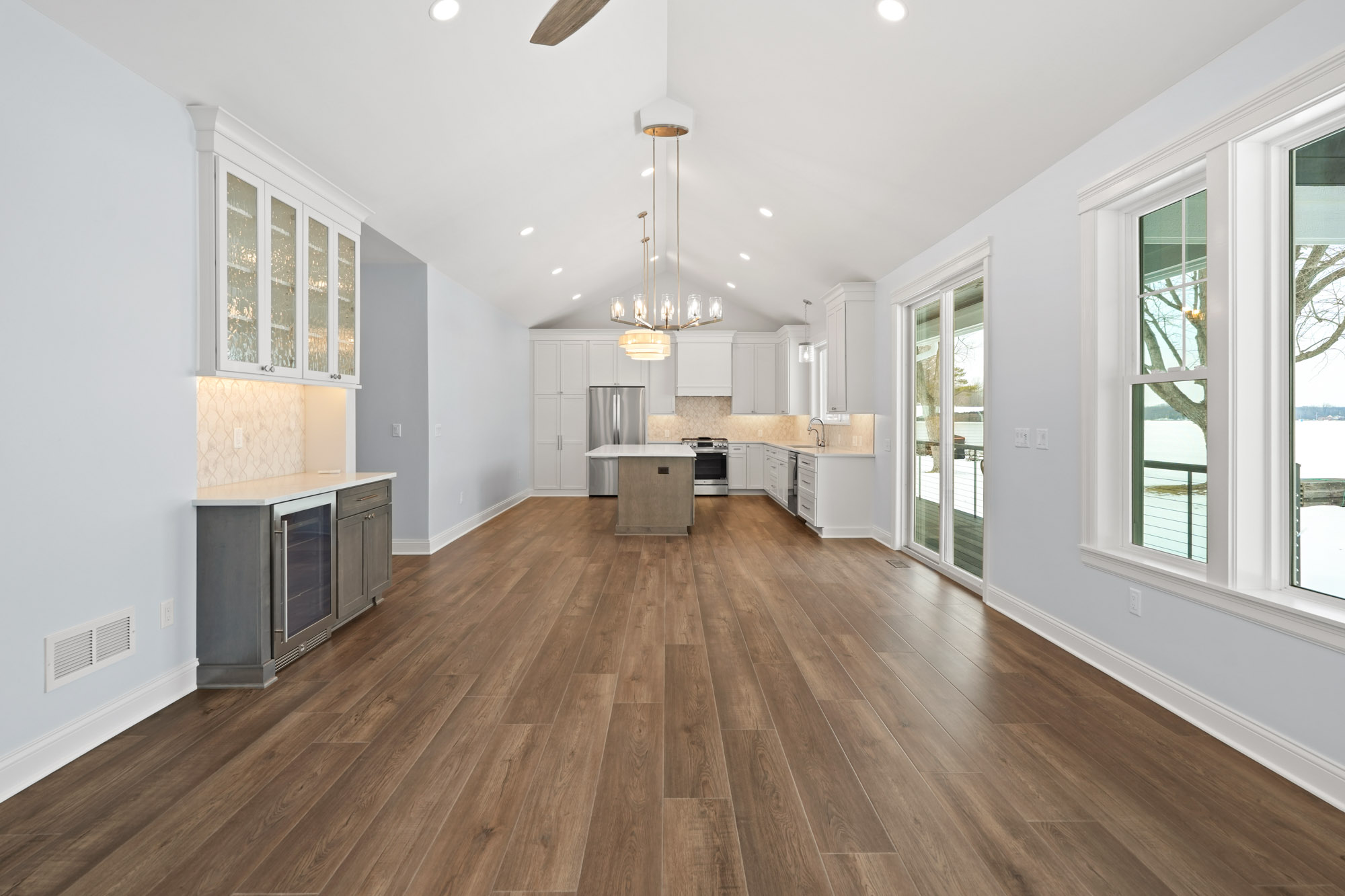
What not to tell your contractor starts with guesses dressed up as facts. Don’t call a job “simple” before anyone has looked at it, and don’t treat a neighbor’s price as what yours should cost. Share your real budget range and the limits the work must fit, including when you need the room usable. Keep guesses separate from facts.
If you’re worried about being overcharged, ask for a written scope you can compare against other proposals. A clear description of the work gives you more to judge than a total at the bottom of a page.
What should you hold back, and what should you share?
| Hold back | Why it matters | Share instead |
|---|---|---|
| Guesses stated as facts, such as “It’s a small job” | They frame the work before anyone has inspected it | What you want changed and what you haven’t decided |
| A neighbor’s price presented as your target | Their scope and house may be different | A realistic budget range for your project |
| Pressure to skip planning and start quickly | It leaves less time to settle the scope | The date you need the room usable |
| Vague requests such as “make it high-end” | Bidders may assume different finishes | Specific choices or clearly defined allowances |
| Assurances that access won’t be a problem before checking | Pets or a working home office can affect the plan | The parts of your daily routine that must continue |
You don’t need to diagnose your house. “There’s a stain below the bathroom, but we don’t know why” is useful information. Calling it a minor repair before it’s inspected isn’t.
Does sharing a budget range cost you leverage?

No. A real budget range helps a contractor propose work you can afford. A made-up low number can produce a proposal that leaves out work you expected, making it harder to compare bids.
Your range also helps establish priorities. Keeping the existing layout might leave more room for cabinets you prefer. For larger projects, see remodeling house cost in Wisconsin and what moves the number.
How to say a range out loud
Give a range and explain what it needs to cover: “This is what we have available for the kitchen, including appliances. We’d rather keep the layout than cut back on the cabinets.” That tells the contractor where to focus. You can also state a firm spending limit, and you don’t have to explain your finances to make it clear.
What to do when two estimates differ
Put the proposals side by side and compare included work before comparing totals. Ask about any missing permit costs or unspecified finishes. A lower price isn’t a saving if it excludes something you need.
What belongs on the scope list before the first visit?
Write separate lists for must-haves and nice-to-haves. For example, put replacement cabinets in the required scope and a larger island under optional work. Ask bidders to price the optional item separately rather than guess whether to include it.
Must-haves and nice-to-haves
A must-have is something the project needs to accomplish, such as adding a second bathroom. A nice-to-have is something you can leave out without losing the reason for remodeling. Make that distinction before finish selections consume the budget.
Finishes by level and allowance
“Nice” and “high-end” aren’t specifications. An allowance is a dollar amount set aside for something you haven’t selected, such as tile. Ask what it covers, including whether installation is separate, and how a selection above that amount changes the bill. Our kitchen remodeling page describes options and upgrade tiers you can discuss with us.
How does unclear scope turn into change orders?
Most change orders are a scope problem before they’re a pricing problem. “While you’re in there” often introduces work nobody included in the proposal.
Before added work begins, put the change in writing with its price and effect on the schedule. The proposal should explain who approves changes and how that approval is documented.
Hidden conditions behind the walls
Older Wisconsin homes can have moisture damage or outdated wiring behind finished walls. Some conditions won’t be visible until demolition. Ask how discoveries will be documented and priced, and who must approve the work before it continues.
Why the lowest bid is often missing something
A bid well below the others deserves a closer look. Check for items such as debris removal and protection of finished floors. Ask each bidder to confirm the same scope rather than assuming every total covers the same work.
Which constraints change the price and the schedule?
Tell the contractor if your Lake Geneva kitchen needs to be usable before summer guests arrive. Say if you’ll stay in the house during construction or need uninterrupted access to a home office. Those requirements can affect how the work is organized.
Interior remodeling can usually continue through a Wisconsin winter, but you still need a plan for living without the room being remodeled. Exterior work depends more directly on weather and safe working conditions. Ask how weather delays will be handled and how you’ll hear about schedule changes.
What should the first call cover, and what should a good contractor ask?
Treat the first call as a briefing, not a negotiation. Give the contractor enough information to prepare for a useful visit:
- “We’re planning a kitchen remodel in our Burlington home.”
- “Our budget range is [range], and replacing the cabinets is a must-have.”
- “We need the kitchen usable by [date], and we’ll stay in the house.”
- “One of us works from home and needs access to the office.”
- “What should we prepare before the visit, and how do you handle changes?”
A short script for the first call
If you haven’t settled the scope, say so: “We need more kitchen space, but we don’t know whether that means changing the layout or adding on.” That’s a useful starting point, not a decision you need to make before calling.
What a good contractor asks you
Expect questions about your house and who will approve decisions. Photos and measurements can help prepare for the visit, but they don’t replace looking at existing conditions.
Ask who pulls permits. Structural changes and plumbing or electrical work often require them. For a Burlington property, confirm whether the City or the Town has jurisdiction rather than assuming from the mailing address.
Before signing, ask for proof of license and insurance. Tie payments to completed milestones. Pressure to sign quickly or requests for payments that run ahead of the work deserve an explanation before you proceed.
Elite Improvements LLC is family-owned, licensed and insured. We provide personal service through a dedicated project manager, with a written scope and detailed proposal as part of our remodeling process. Call 262-716-6663 for a consultation about your scope and budget, or send your project details through the estimate form.
Frequently asked questions
What should you not say to a contractor?
Don’t describe uninspected work as simple or present a neighbor’s price as proof of what yours should cost. Explain what you know about the house, share your budget range, and identify decisions you haven’t made.
Should I give a contractor my real budget before the first visit?
Yes. Share a realistic range and explain what it must cover. Ask for a written proposal showing the work included, so you can judge how well it meets your priorities.
Should you feed contractors working on your house?
You don’t need to provide meals unless you’ve agreed otherwise. Offering water or coffee is a courtesy, not part of negotiating the price or approving the work.
What are the signs of a bad contractor?
Warning signs include pressure to sign quickly and reluctance to put the scope in writing. Ask for proof of license and insurance before signing, and question payment requests that run ahead of completed work.
How do you tell a contractor you are not happy with their work?
Describe the specific problem and refer to the written scope where it applies. Ask to review it together and agree on a correction plan with a date. Confirm that agreement in writing.
Related Posts
Kitchen Bump Out in Wisconsin: How Much Space You Really Gain
Home Steam Room Installation: What a Wisconsin Build Requires
Sunroom Addition: Three-Season vs Four-Season in Wisconsin